

In the rapidly growing e-commerce business process, efficiency in order management is the primary key to business success. One increasingly popular solution is B2C fulfillment, a logistics service that handles explicit order processing from businesses to end consumers. A third party (third-party logistics or 3pl) carries out the order fulfillment process for direct product delivery to end consumers.
With the help of Business-to-Customer fulfillment, business owners can focus more on business and marketing strategies without being burdened by the complexity of logistics operations.
Contents
What Is B2C Fulfillment?
Business-to-Customer (B2C) fulfillment refers to a logistics model where products are stored, processed, packed, and shipped directly to individual consumers. This model is commonly used by e-commerce businesses, online retailers, and direct-to-consumer (DTC) brands that require fast, accurate, and scalable delivery solutions.
B2C fulfillment is a critical component of modern e-commerce fulfillment and US fulfillment services, especially as customer expectations for fast delivery continue to rise.
Services in B2C Fulfillment
Business-to-Customer fulfillment is not just a shipping service. It contains various integral services that support the entire product distribution process. The services offered by B2C fulfillment providers include Warehousing, one of the primary services in B2C fulfillment, namely storing products in an automated warehouse. Goods are stored with an integrated inventory management system to monitor stock in real time. This minimizes the risk of stockout or overstocking.
Order Processing
The next service is Order Processing. This process occurs when a customer makes a purchase, the B2C fulfillment system automatically receives the order data. The picking process (taking goods according to the order), packing (packaging according to standards), and labelling are done quickly and accurately. Some providers even offer custom or environmentally friendly packaging options according to business requests.
This pick-and-pack process is a core element of professional ecommerce fulfillment services and directly affects delivery speed and customer satisfaction.
Shipping
The third service is Shipping; services are crucial to Business-to-Customer fulfillment. Service providers work with various expeditions to ensure that deliveries are made on time and at an efficient cost. Customers also get a tracking number to monitor their shipping status.
Many B2C fulfillment providers also support last-mile delivery and same-day or next-day shipping options for competitive advantage.
Returns Management
Returns Management is a service also offered by Business-to-Consumer fulfillment service providers. In the world of e-commerce, returning goods is something that cannot be avoided. Therefore, B2C fulfillment provides a transparent and efficient return management system. This process includes receiving returned goods, checking their condition, and refunding if necessary.
Reporting and Analytics services
Some Business-to-Customer fulfillment providers also offer Reporting and Analytics services. Business-to-Customer fulfillment service providers can also provide analytical dashboards to monitor logistics performance, on-time delivery rates, the number of returns, and stock management efficiency. This data is invaluable for the management team’s strategic decision-making.
B2C Fulfillment Pricing Models
B2C fulfillment pricing typically depends on order volume and service usage. Common pricing components include:
-
Storage fees (per pallet or per cubic foot)
-
Pick and pack fees (per order or per item)
-
Packaging costs
-
Shipping costs
-
Returns processing fees
This flexible pricing model allows e-commerce businesses to scale without heavy upfront investment in warehouses, labor, or logistics systems.
B2C Fulfillment for Shopify & WooCommerce
Modern B2C fulfillment services are fully integrated with popular e-commerce platforms such as Shopify and WooCommerce. Orders are automatically synced to the fulfillment system, inventory is updated in real time, and tracking information is sent back to customers. This integration significantly reduces manual work and errors while improving order processing speed.
Benefits of Using B2C Fulfillment Services

Using Business-to-Customer fulfillment services provides significant benefits, especially for small to medium-sized businesses that want to grow faster without spending much money on their logistics infrastructure.
The main advantage is operational efficiency. By handing over the fulfillment process to a third party, businesses can save time and energy in managing warehouses and shipping. In addition, third-party services can support performance with high scalability. This service allows companies to cope with spikes in orders during certain seasons.
The next benefit is more controlled costs because there is no need for significant investments in warehouses, labour, and logistics systems. Fulfillment costs are usually based on order volume, making them more flexible.
Increased customer satisfaction is the next benefit. This is because with a faster and more accurate process, customers will get a better shopping experience, which can ultimately increase loyalty.
Who Needs B2C Fulfillment?
Business-to-Consumer fulfillment services are ideal for e-commerce businesses that sell products directly to end consumers. Be it online store owners in marketplaces, or independent brands selling through their websites. In addition, companies with product lines such as fashion, beauty, snacks, gadget accessories, and household products are very suitable to utilize this service.
Startups can also feel the great benefits of B2C fulfillment, especially if they do not have internal logistics resources. They can focus on product development and marketing with an integrated and efficient system. Although it offers many advantages, Business-to-Customer fulfillment also has its challenges.
One of them is choosing the right logistics partner. If the fulfillment provider does not have a solid system or an extensive shipping network, it can result in late delivery or errors in the packing process. In addition, the costs charged by the fulfillment provider also need to be considered carefully. Businesses need to calculate whether these costs are based on the volume of orders and profit margins they have.
Location Advantage: B2C Fulfillment in Washington
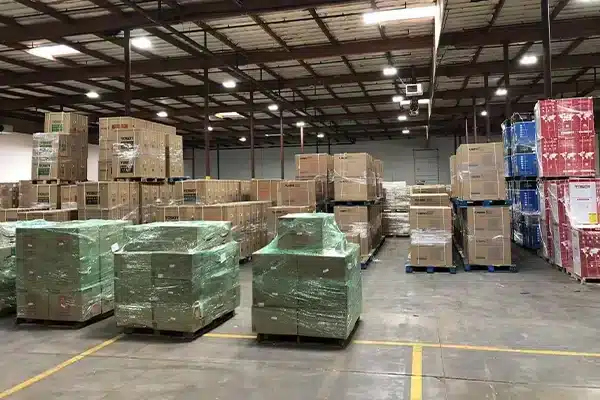
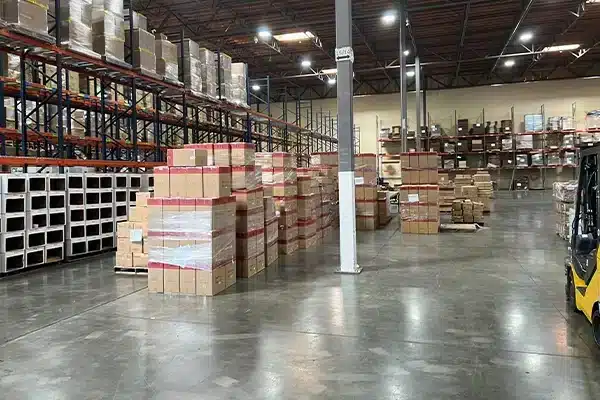
Location plays a crucial role in fulfillment efficiency. Shipazon operates a strategically located B2C fulfillment center in Kent, Washington, serving as a key West Coast fulfillment hub for e-commerce businesses.
This fulfillment center is located near:
-
The ports of Seattle and Tacoma, enabling efficient import and export operations
-
Seattle–Tacoma International Airport, supporting faster air freight and nationwide distribution
Thanks to this strategic location, Shipazon provides fast and cost-effective B2C fulfillment in Washington and across the United States. This West Coast fulfillment center helps reduce shipping times, optimize delivery costs, and improve order fulfillment speed to major US markets.
Shipazon offers B2C fulfillment services designed specifically for e-commerce and retail businesses, including:
-
Modern warehouse storage
-
Efficient order processing and pick-and-pack
-
Professional packaging
-
Shipping through trusted logistics partners such as FedEx, UPS, and USPS
-
Streamlined return management
With its US-based fulfillment center in Kent, WA, Shipazon can handle high order volumes while delivering reliable, scalable, and cost-effective US fulfillment services for growing e-commerce brands.
Conclusion
Business-to-Customer fulfillment has become essential for e-commerce businesses that want to grow quickly and efficiently. With services that cover the entire supply chain from storage to shipping, business actors no longer need to be bothered with complex logistics matters. However, choosing a reliable and appropriate Business-to-Customer fulfillment provider remains crucial. With the right strategy, this service improves operational efficiency and provides a better customer experience, ultimately contributing to overall business growth.